


Endometriosis and Fertility: When Should You Consider IVF?

Endometriosis affects many women during their reproductive years and can be associated with infertility. However, a diagnosis of endometriosis does not automatically mean that natural pregnancy is impossible or that IVF is immediately required. What Is Endometriosis? Endometriosis occurs when tissue resembling the lining of the uterus is found outside the uterine cavity. It may […]
PCOS and Fertility: Why Can Getting Pregnant Be Difficult?

Polycystic ovary syndrome, or PCOS, is one of the most common hormonal conditions affecting women of reproductive age and a common cause of ovulation-related infertility. Importantly, PCOS does not mean that you cannot have a baby. Many women with PCOS conceive naturally or with relatively simple fertility treatment. What Is PCOS? PCOS is a hormonal […]
Male Infertility: Causes, Tests and Treatment Options

Infertility is often mistakenly considered primarily a female problem. In reality, male fertility factors contribute to a substantial proportion of couples experiencing difficulty conceiving. For this reason, fertility assessment should usually involve both partners from the beginning. How Is Male Fertility Assessed? The cornerstone of male fertility assessment is the semen analysis. It examines several […]
IVF Over 40: What Are Your Chances of Success?

More women are starting or expanding their families later in life. As a result, fertility treatment after 40 has become increasingly common. Pregnancy after 40 is certainly possible, both naturally and through IVF. However, age has a major effect on reproductive biology, and realistic counselling is particularly important. Why Does Female Fertility Decline? Women are […]
How Much Does IVF Cost in Australia? Understanding Treatment Costs, Medicare and Out-of-Pocket Expenses

For many people considering IVF, one of the first questions is not only “Will IVF work?” but also “How much is this going to cost?” IVF costs in Australia can initially appear complicated because the amount advertised by a fertility clinic is not necessarily the amount a patient ultimately pays. Medicare rebates, medications, additional procedures, […]
Low AMH: What Does It Mean and Can You Still Get Pregnant?
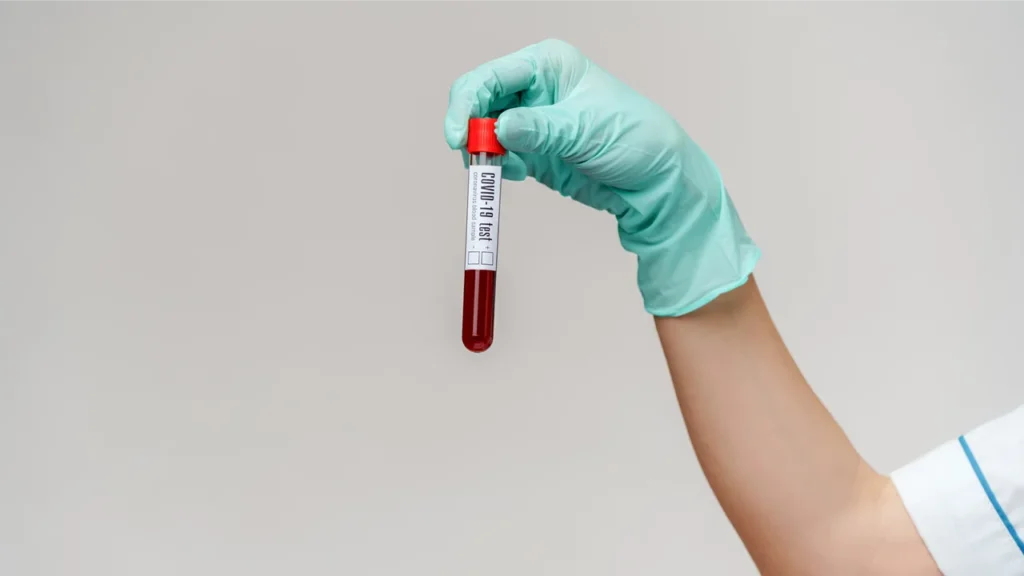
Being told that you have a low AMH can be frightening, particularly if you are trying to conceive. Many patients immediately interpret a low result as meaning that they are infertile or have “run out of eggs”. That is not what AMH means. Understanding what AMH can—and cannot—tell you is essential before making decisions about […]
IVF in Australia: A Step-by-Step Guide from Your First Appointment to Embryo Transfer

Starting IVF can feel overwhelming. New medications, injections, blood tests, ultrasounds, egg collection, embryo development and embryo transfer can make the process seem complicated. Understanding each stage can make treatment much easier to navigate. Although every IVF cycle should be individualised, most treatments follow a series of key steps. Step 1: Your Initial Fertility Consultation […]
Thinking About Egg Freezing? What You Need to Know
Egg freezing, also known as oocyte cryopreservation, is a fertility preservation option that allows you to freeze unfertilised eggs for potential use in the future. It can provide an opportunity to preserve eggs at a younger age, particularly for people who are not ready to have children now but may wish to consider pregnancy later. […]
When Should You See a Fertility Specialist? 10 Signs It’s Time to Seek Help

Trying to have a baby is an exciting time, but when pregnancy does not happen as expected, it can also become frustrating and stressful. One of the most common questions couples ask is: “How long should we keep trying before seeing a fertility specialist?” The answer depends on your age, medical history, menstrual cycles and […]
Your Lifestyle and Fertility: Understanding the Connection

Egg freezing, also known as oocyte cryopreservation, is a fertility preservation option that allows you to freeze unfertilised eggs for potential use in the future. It can provide an opportunity to preserve eggs at a younger age, particularly for people who are not ready to have children now but may wish to consider pregnancy later. […]