



Egg freezing, also known as oocyte cryopreservation, is a fertility preservation option that allows you to freeze unfertilised eggs for potential use in the future. It can provide an opportunity to preserve eggs at a younger age, particularly for people who are not ready to have children now but may wish to consider pregnancy later.
Choosing to freeze your eggs is a personal decision, and understanding how the process works, what it can and cannot offer, and which factors may influence the outcome can help you make an informed choice about your future fertility.
What Is Egg Freezing?
Egg freezing involves collecting mature eggs from the ovaries and preserving them at a very low temperature for potential future use.
Unlike embryo freezing, the eggs are not fertilised before they are stored. If you decide to use your frozen eggs in the future, they can be thawed and fertilised with sperm, usually through intracytoplasmic sperm injection (ICSI). The resulting embryos can then be assessed and, where appropriate, transferred to the uterus.
Egg freezing does not guarantee a future pregnancy, but it can provide an additional option for people who wish to preserve their reproductive potential.
How Does Egg Freezing Work?
The egg freezing process generally involves several stages, beginning with an assessment of your fertility and overall health.
1. Fertility Assessment
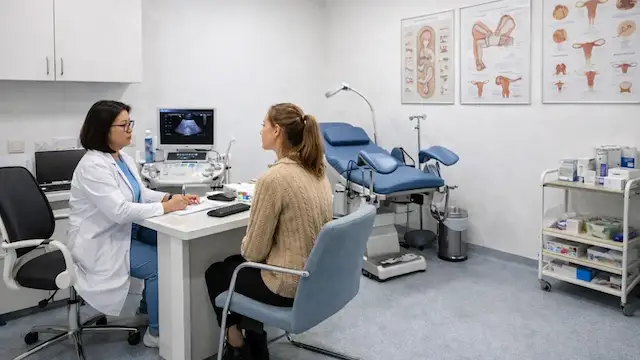
Before starting treatment, your fertility specialist will review your medical history, menstrual cycle, reproductive goals and any relevant health conditions.
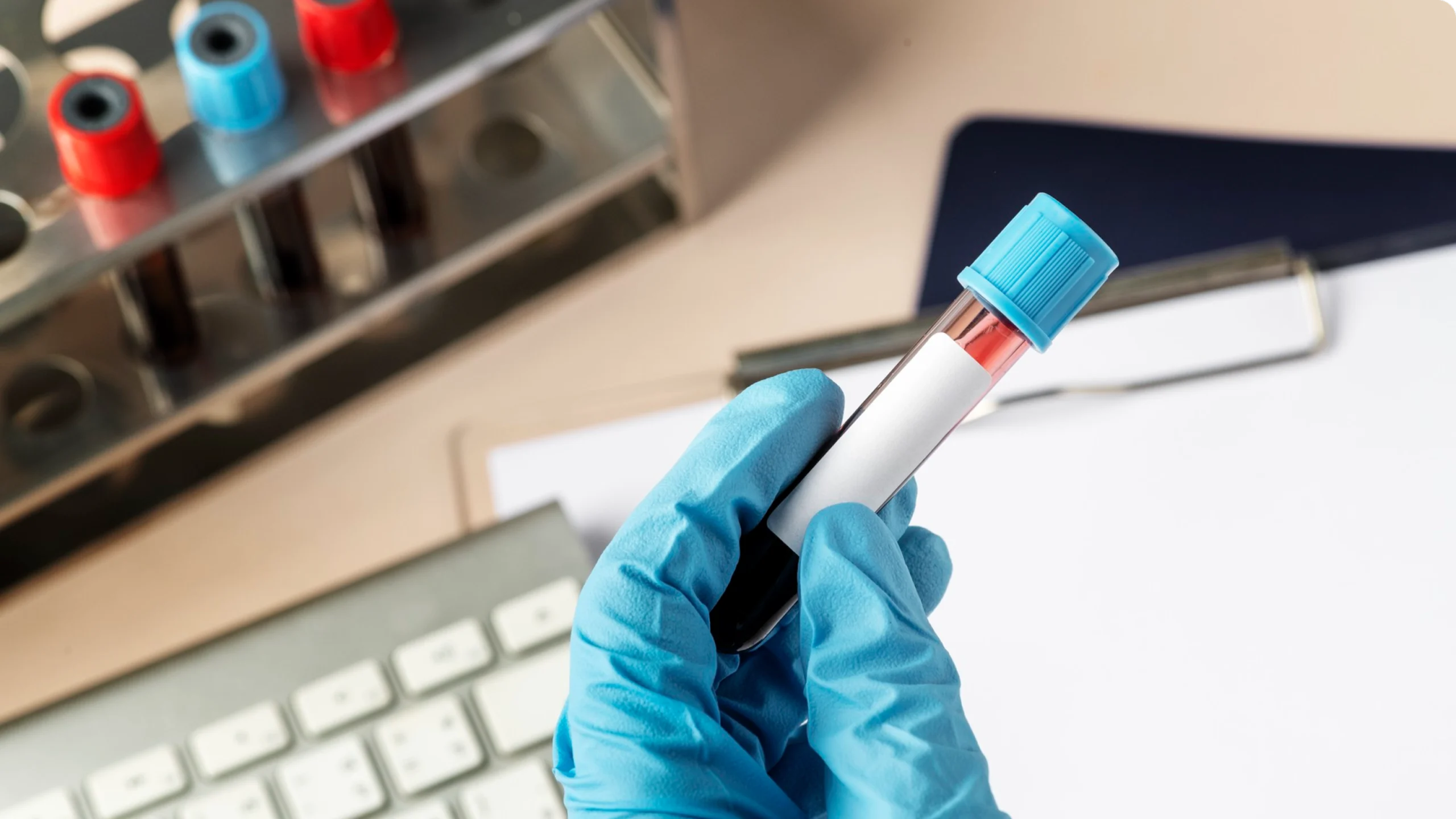
Tests may include blood tests such as anti-Müllerian hormone (AMH) and an ultrasound assessment of the ovaries. These can help provide information about your ovarian reserve and help your specialist plan your treatment.
It is important to understand that ovarian reserve tests provide information about egg quantity and expected response to stimulation. They do not directly measure egg quality.
2. Ovarian Stimulation
During a natural menstrual cycle, usually one egg reaches maturity. For egg freezing, fertility medications are used to stimulate the ovaries so that multiple eggs can develop during the same cycle.
You will usually have monitoring appointments involving ultrasound scans and, where required, blood tests. These allow your fertility team to monitor follicle development and adjust your medication if necessary.
3. Egg Collection
Once the follicles have developed appropriately, a medication is given to trigger final egg maturation. The eggs are then collected through a procedure called egg retrieval.
The procedure is performed using ultrasound guidance, with a fine needle passed through the vagina to reach the ovaries and collect the eggs from the developing follicles.
The collected eggs are then assessed by the embryology team to determine which eggs are mature and suitable for freezing.
4. Vitrification and Storage
Mature eggs are preserved using a rapid freezing technique known as vitrification.
The eggs are stored under carefully controlled conditions at very low temperatures. When you decide to use them in the future, the eggs can be thawed and assessed before fertilisation.
Why Does Age Matter?
Age is one of the most important factors to consider when thinking about egg freezing.
Women are born with a finite number of eggs, and both the number and quality of eggs generally decline with age. While ovarian reserve tests can provide useful information about egg quantity, age remains an important factor when considering egg quality and reproductive potential.
Freezing eggs at a younger age may mean that the eggs are more likely to have the characteristics associated with younger eggs. However, egg freezing cannot stop the natural ageing process or guarantee that the frozen eggs will result in a future pregnancy.
How Many Eggs Should Be Frozen?
There is no single number of eggs that guarantees a future pregnancy.
The number of eggs collected can vary considerably between individuals and may be influenced by factors such as age, ovarian reserve and response to stimulation.
Your fertility specialist can discuss your individual circumstances and explain how the number of eggs collected may relate to your future reproductive plans.
In some cases, more than one egg freezing cycle may be considered to increase the number of eggs stored.
Does Egg Freezing Guarantee a Baby Later?
No. Egg freezing can preserve eggs for potential future use, but it does not guarantee a future pregnancy or live birth.
Several stages need to be successful for a frozen egg to result in a baby. The egg must survive thawing, be successfully fertilised, develop into an embryo and, following embryo transfer, result in an ongoing pregnancy.
The likelihood of success can be influenced by factors including your age when the eggs were frozen, the number and maturity of eggs stored, and your circumstances when you return to use them.
Egg Freezing and Egg Quality
One of the main reasons people consider egg freezing is to preserve eggs before age related changes in egg quality become more significant.
Tests such as AMH can provide information about ovarian reserve, but AMH does not measure egg quality. A person can have a reassuring AMH result and still experience age related changes in egg quality.
This is why discussions about egg freezing should consider your age, ovarian reserve, reproductive history and future family planning goals rather than relying on one test result.
Who Might Consider Egg Freezing?
Egg freezing may be considered for a variety of personal, medical or reproductive reasons.
Some people choose to explore egg freezing because they are not currently ready to have children but would like to preserve an option for the future. Others may be considering treatment that could affect ovarian function or may have other medical reasons for fertility preservation.
There is no single reason why someone should or should not consider egg freezing. A consultation with a fertility specialist can help you understand whether it may be appropriate for your circumstances.
What Should You Consider Before Freezing Your Eggs?
Egg freezing involves medical treatment, financial costs and emotional considerations, so it is worth taking time to understand the process before making a decision.
You may want to consider:
Your age: Egg quality is strongly associated with age, making the timing of egg freezing an important consideration.
Your ovarian reserve: AMH and ultrasound assessment can provide information about the number of follicles available and how your ovaries may respond to stimulation.
Your family plans: Think about whether you are likely to want children in the future and how many children you may wish to have.
The number of eggs collected: Your specialist can discuss whether one cycle is likely to provide an appropriate number of eggs or whether additional cycles may be considered.
The limitations of egg freezing: Frozen eggs provide an option for future treatment, but they cannot guarantee a baby.
Your future circumstances: When you eventually use your eggs, your age, health and reproductive circumstances will also be relevant.
What Happens When You Decide to Use Your Frozen Eggs?
If you later decide to use your frozen eggs, they are carefully thawed in the laboratory. Eggs that survive the thawing process can then be fertilised, generally using ICSI.
The resulting embryos are cultured in the laboratory and assessed before an appropriate embryo is selected for transfer, depending on your individual treatment plan.
Not every frozen egg will necessarily survive thawing, fertilise successfully or develop into an embryo. Your fertility team can explain each stage and the potential outcomes before treatment begins.
Making an Informed Decision About Your Future Fertility
Egg freezing can be an important fertility preservation option, but it is not a guarantee of future fertility. Understanding the benefits, limitations and factors that influence outcomes can help you decide whether it is right for you.
If you are considering delaying pregnancy or simply want to understand your fertility preservation options, speaking with a fertility specialist can help you make a decision based on your individual circumstances.
The Take Home Message
Egg freezing offers a way to preserve unfertilised eggs for potential future use. Age, ovarian reserve and the number of mature eggs collected are important considerations, but no fertility test or egg freezing cycle can guarantee a future pregnancy.
The earlier you understand your options, the more informed your family planning decisions can be. A personalised consultation can help you understand your ovarian reserve, discuss the potential benefits and limitations of egg freezing, and determine whether fertility preservation may be appropriate for your future plans.